Back to AlrewaqLeave gallery

The Riwaq · Galleries

The people behind the words

Meet a life, follow an idea, and discover the cards it inspired.

Simple browsing →

32 exhibits · Explore at your pace

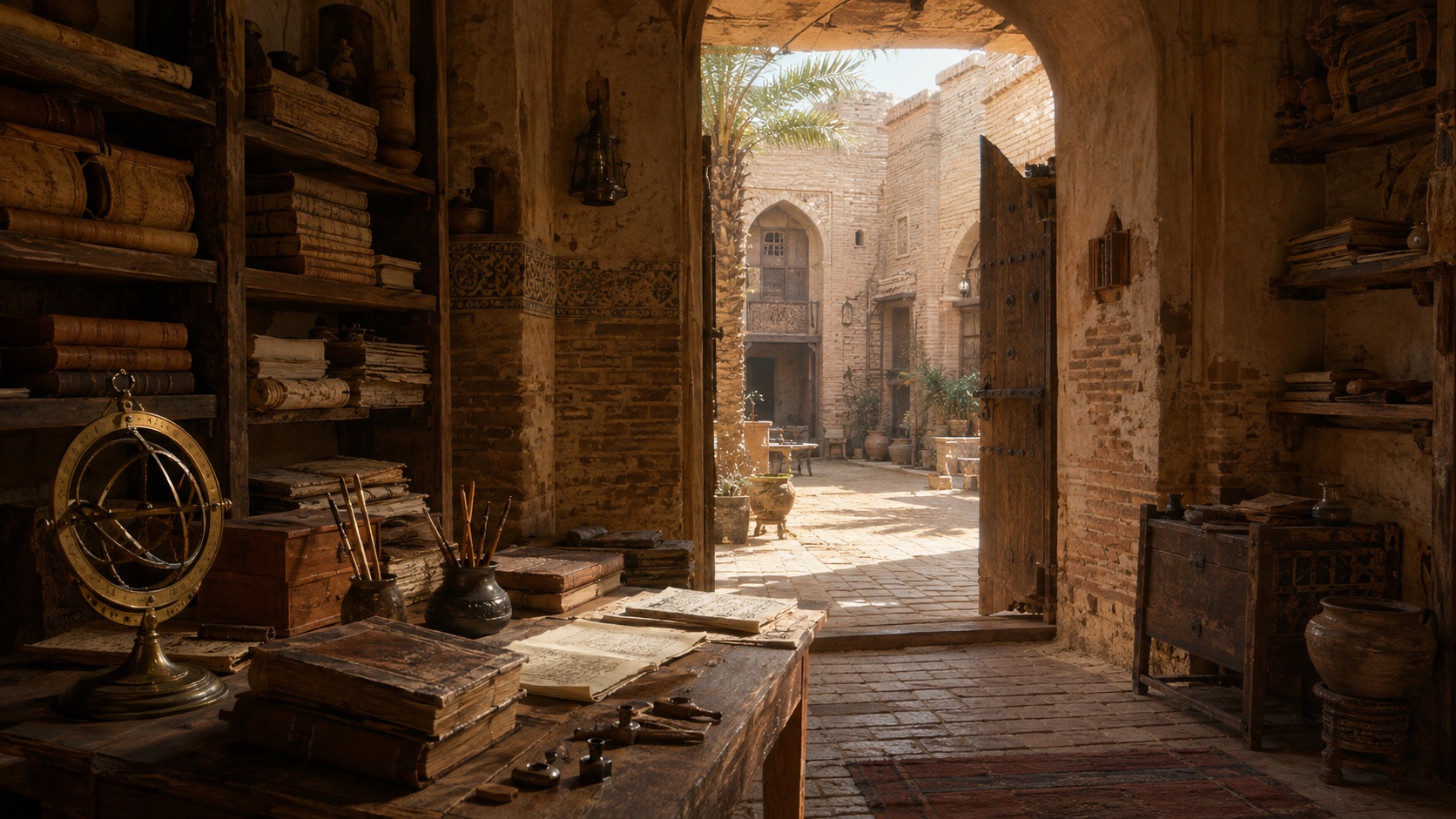
An imagined ninth-century Baghdadi bookseller and translator’s workshop, with paper, manuscripts and instruments.01

Philosophy in Arabic · Abbasid intellectual life

Al-Kindi

At a glance

Al-Kindi was a ninth-century philosopher active in the Abbasid intellectual world. He helped develop philosophical writing in Arabic while also studying mathematics, medicine, optics and music. For him, studying inherited knowledge and asking theological questions belonged within a serious search for truth.

A folded linen cloth and a plain ceramic cup on the stone seat beneath the garden window.02

Ancient Greek philosopher; Peripatetic tradition

Aristotle

At a glance

Born in Stagira in 384 BCE, Aristotle studied at Plato’s Academy and later established the Lyceum in Athens. His investigations ranged from living things and logic to politics, poetry, and ethics. In the Nicomachean Ethics, character develops through action, education, and practical judgment.

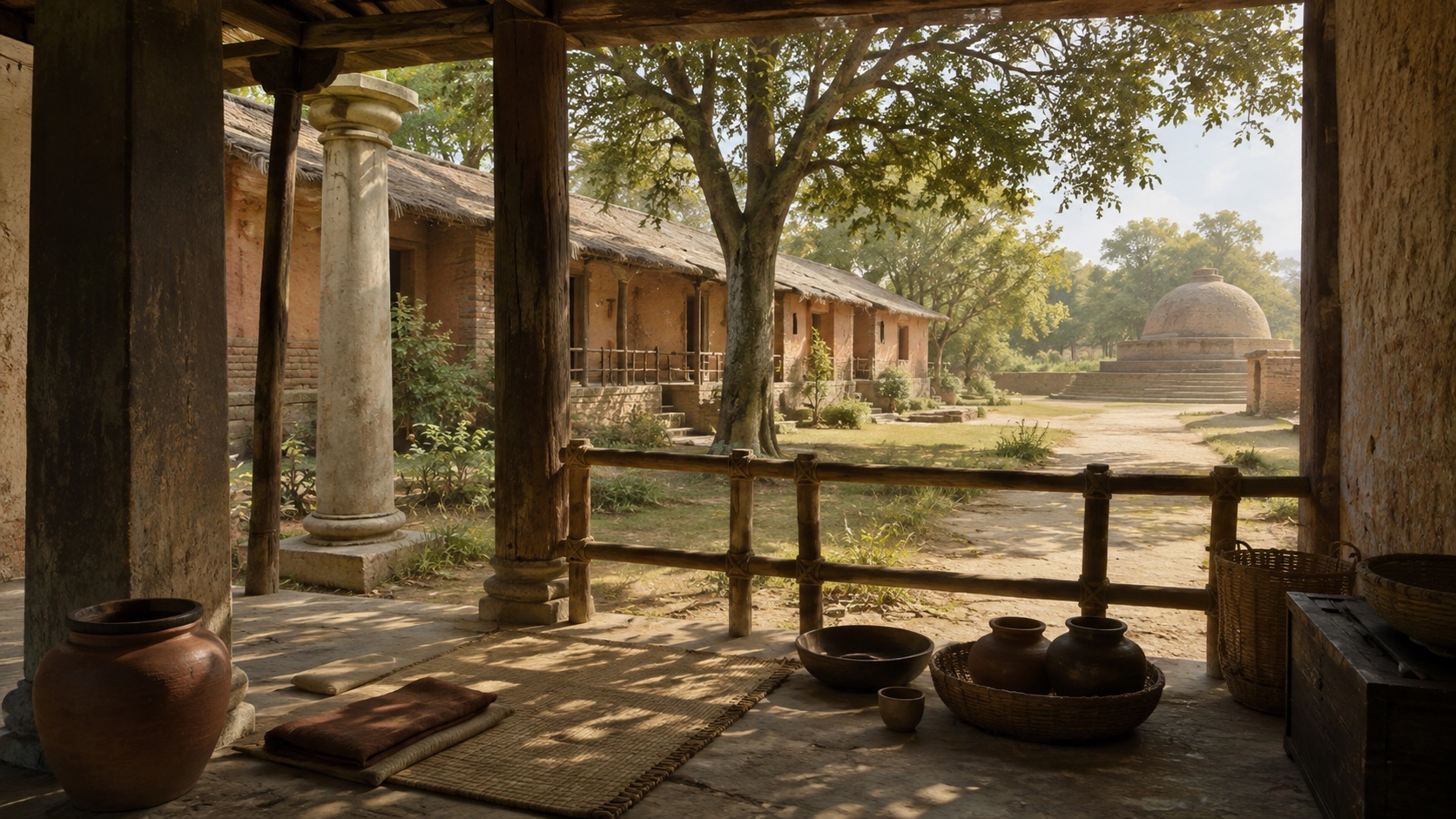
An imagined third-century BCE monastic courtyard with simple earth-and-brick buildings, a sandstone pillar and a distant stupa.03

Mauryan kingship · Buddhist ethical commitment

Ashoka

At a glance

Ashoka was a third-century BCE Mauryan ruler. In inscriptions placed across his territories, he described remorse over Kalinga and urged ethical conduct, welfare and respect for different religious communities. His edicts are important evidence of how he wished kingship to be understood.

A solitary person standing on firm ground as a weathered shadow blends into warm light04

American psychologist; person-centered and humanistic psychology

Carl Rogers

At a glance

Carl Rogers was an American psychologist whose work helped establish the person-centered approach. Trained in clinical psychology, he emphasized empathy, genuineness, and acceptance in helping relationships. Later, he applied this approach to groups and dialogue across social conflicts.

Confucius in an imagined teaching courtyard · artistic interpretation, not a verified likeness.05

Chinese philosophy · ethical cultivation

Confucius

At a glance

Confucius, known in Chinese as Kongzi (traditionally 551–479 BCE), asked how people could live well together in a world troubled by rivalry and failing leadership. He looked to the poetry, music, and rituals of the Zhou tradition for resources to renew public life. In his teaching, these were more than ceremonies: practised sincerely, they could cultivate respect and shape character. His answer to disorder placed moral responsibility on people themselves, especially those who governed.

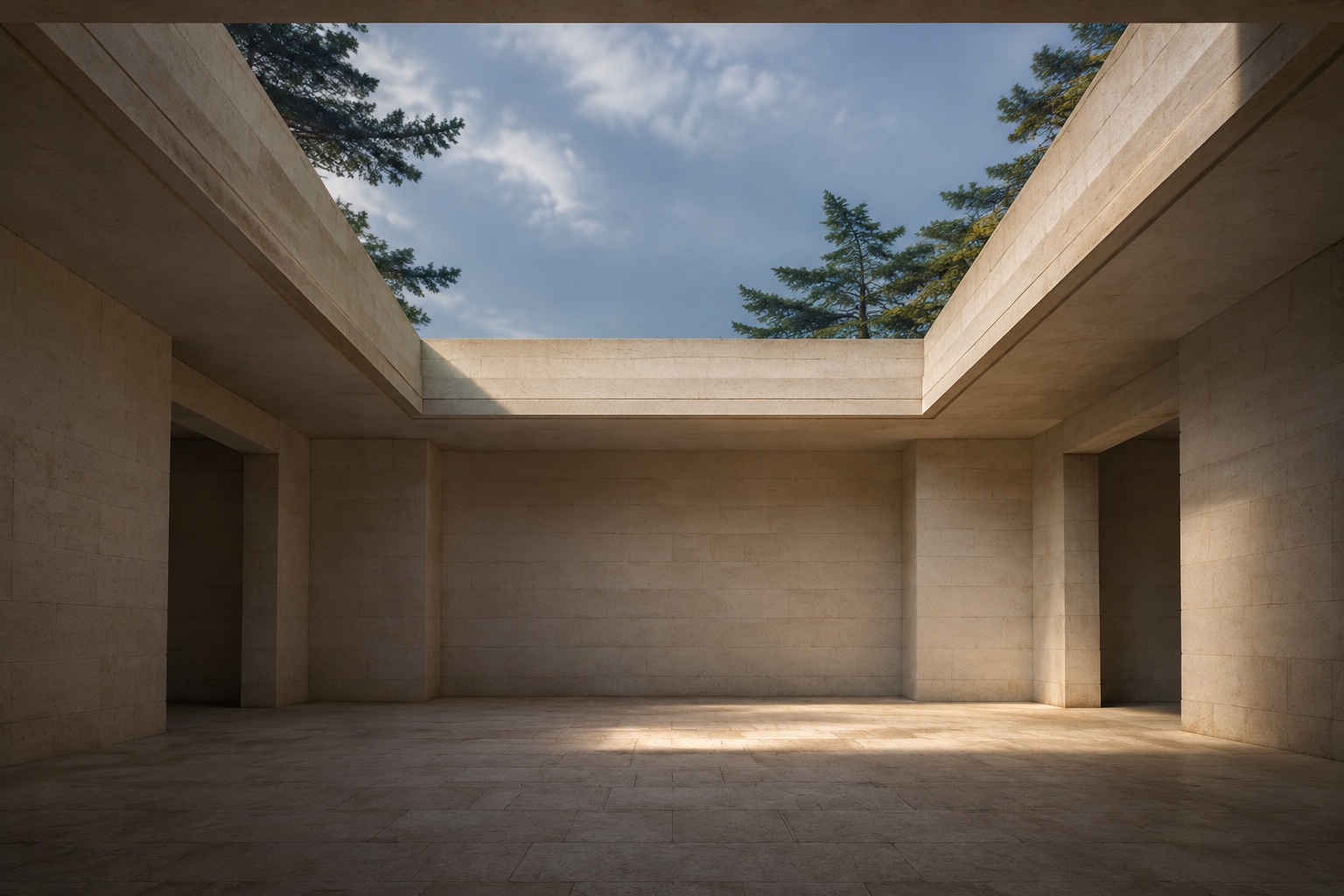
An open roof in a pale stone pavilion frames the sky and cedar branches.06

American lyric poet

Emily Dickinson

At a glance

Emily Dickinson was born in Amherst, Massachusetts, in 1830. She developed a distinctive poetic language through compressed phrases, unexpected images, and unconventional punctuation. Much of her work reached readers after her death; early editors altered features later editions sought to recover.

An imagined teaching courtyard inspired by Epictetus’s school.07

Greek Stoic philosopher and teacher

Epictetus

At a glance

Epictetus lived under the Roman Empire and experienced enslavement before becoming a free man and a teacher. His student Arrian preserved his teaching in the Discourses and Handbook. His work asks where our agency lies and how philosophy can become a practice rather than a performance.

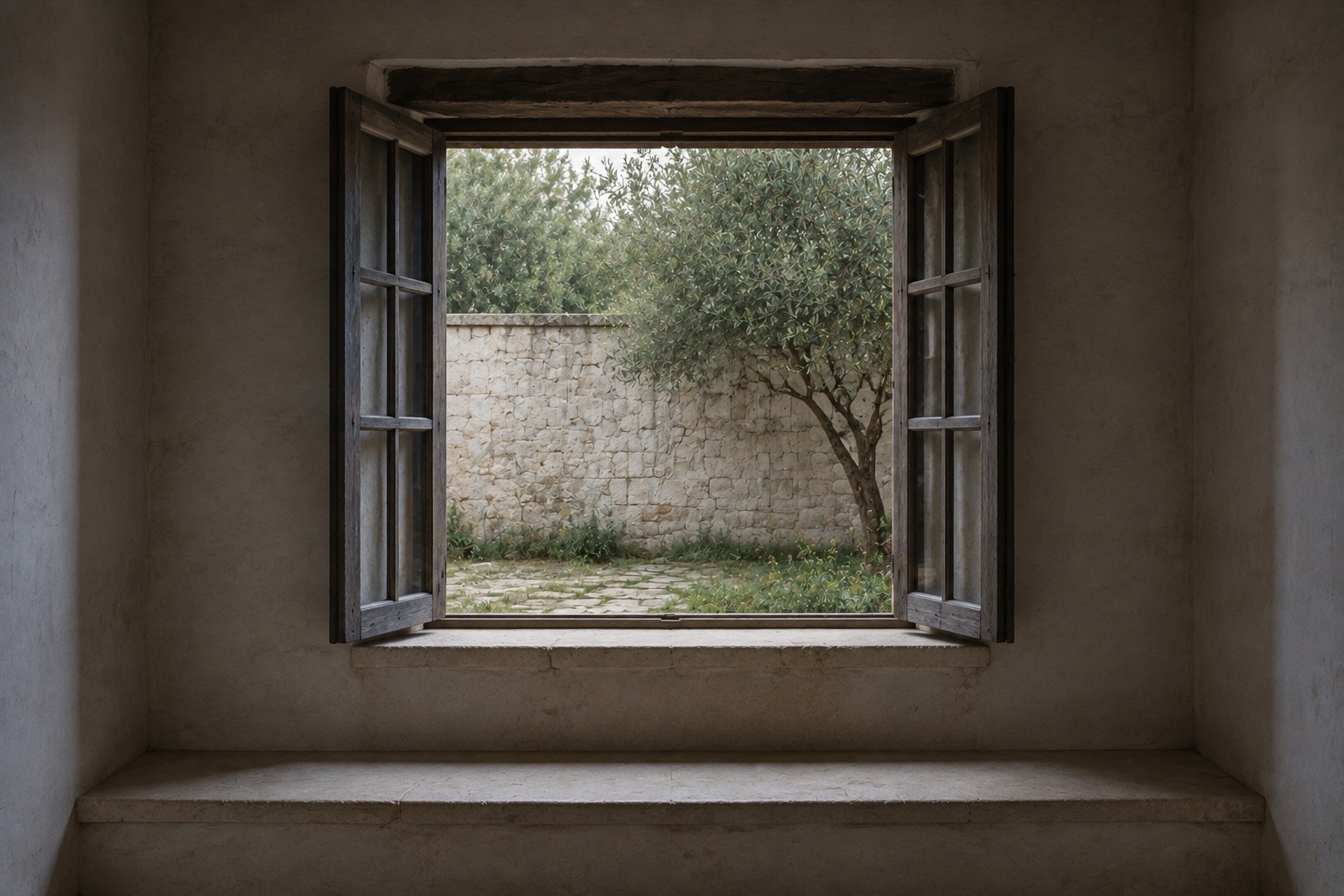
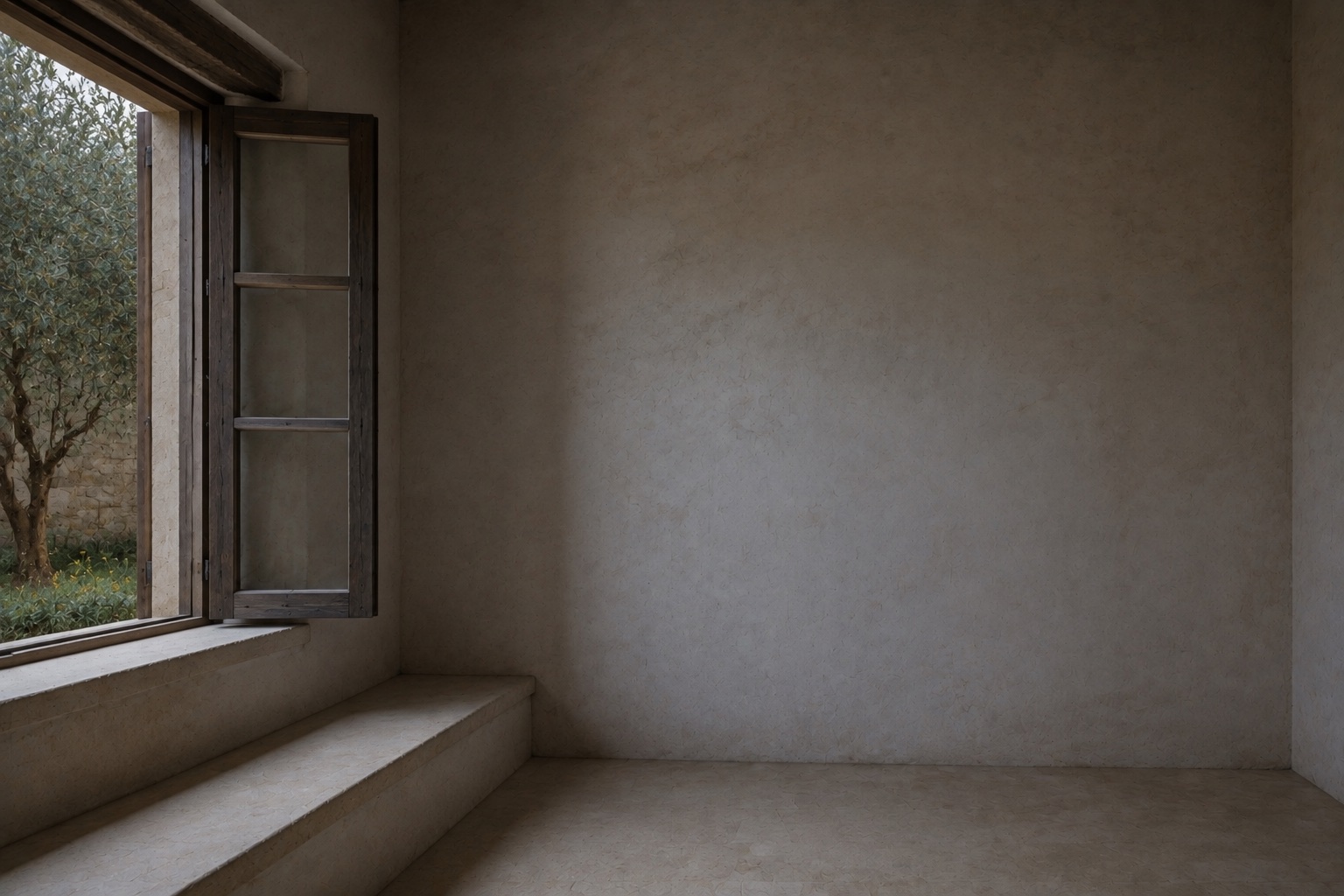
An open timber window in a pale stone room, looking onto an olive tree and a quiet garden wall.08

American writer and naturalist; transcendentalism

Henry David Thoreau

At a glance

Thoreau was a New England writer, naturalist, and participant in American transcendentalism. His friendship with Emerson and close attention to everyday nature shaped his work. His journals, Walden, and writing on civil disobedience explore how a person might observe carefully and live deliberately.

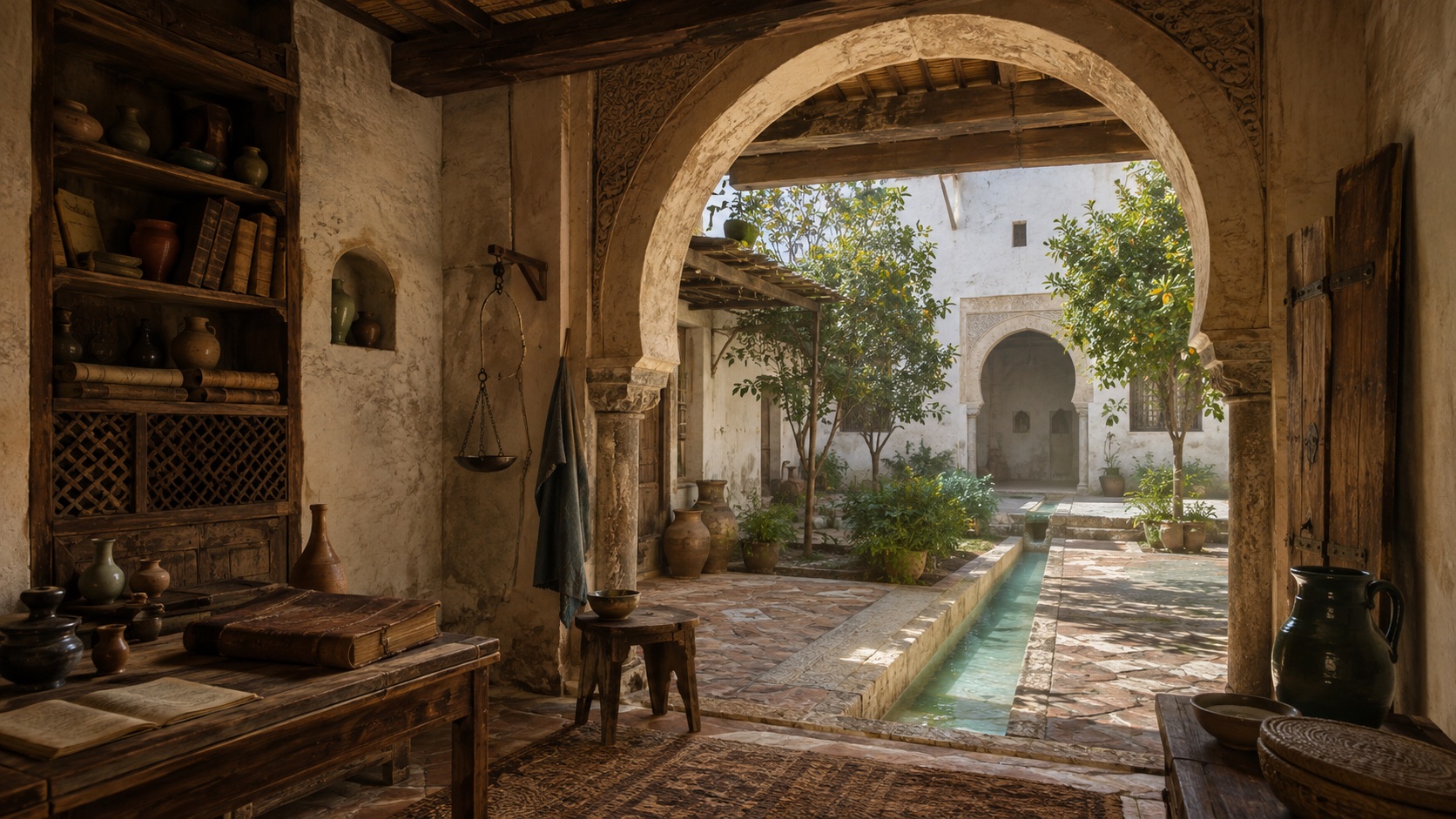
An imagined Andalusi courtyard, with horseshoe arches, citrus trees, water and a room for books and medicine.09

Andalusi philosophy · law and medicine

Ibn Rushd

At a glance

Ibn Rushd (1126–1198), known in Latin as Averroes, was an Andalusi jurist, physician and philosopher born in Cordoba. He wrote on law, medicine and Aristotle, and examined how philosophical reasoning could relate to religious understanding. His writings later travelled through Arabic, Hebrew and Latin intellectual worlds.

An imagined mid-twentieth-century European reading room with notebooks, a cup and a small courtyard tree.10

American pragmatism · education

John Dewey

At a glance

John Dewey (1859–1952) was an American philosopher and educator associated with pragmatism. He treated inquiry as a response to lived problems and linked democratic life to communication, participation and education.

A migrating bird joining a wider formation above a quiet wetland at blue hour11

English metaphysical poet and Anglican cleric

John Donne

At a glance

John Donne was an English poet and Anglican cleric, remembered as a major metaphysical poet. His writing brings intimate experience into contact with religious and philosophical questions. The meditation used here belongs to Devotions upon Emergent Occasions, not to one of his lyric poems.

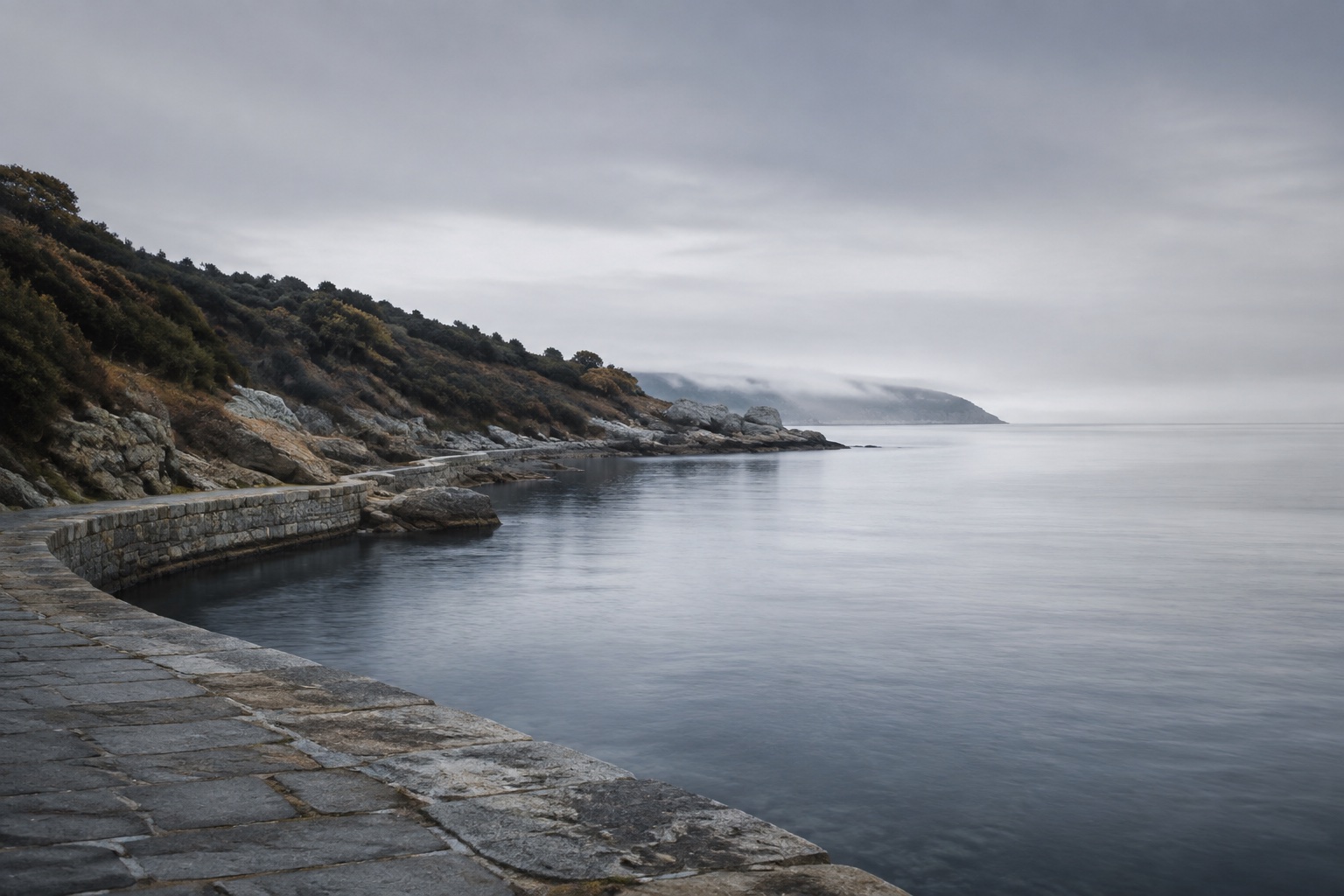
A stone promenade follows a quiet inlet around a bend softened by sea mist.12

English Romantic poet

John Keats

At a glance

John Keats was an English Romantic poet whose brief life ended in 1821. His poems and letters explore beauty, imagination, mortality, and the limits of understanding. His idea of negative capability describes remaining receptive to uncertainty in poetic creation.

An imagined nineteenth-century reading room and print workshop beside a brick-lined street.13

British philosophy · liberalism and utilitarianism

John Stuart Mill

At a glance

John Stuart Mill (1806–1873) was a British philosopher and reformer. In On Liberty he examined individual freedom, social pressure and discussion. His broader writings also addressed political economy, representative government and the position of women.

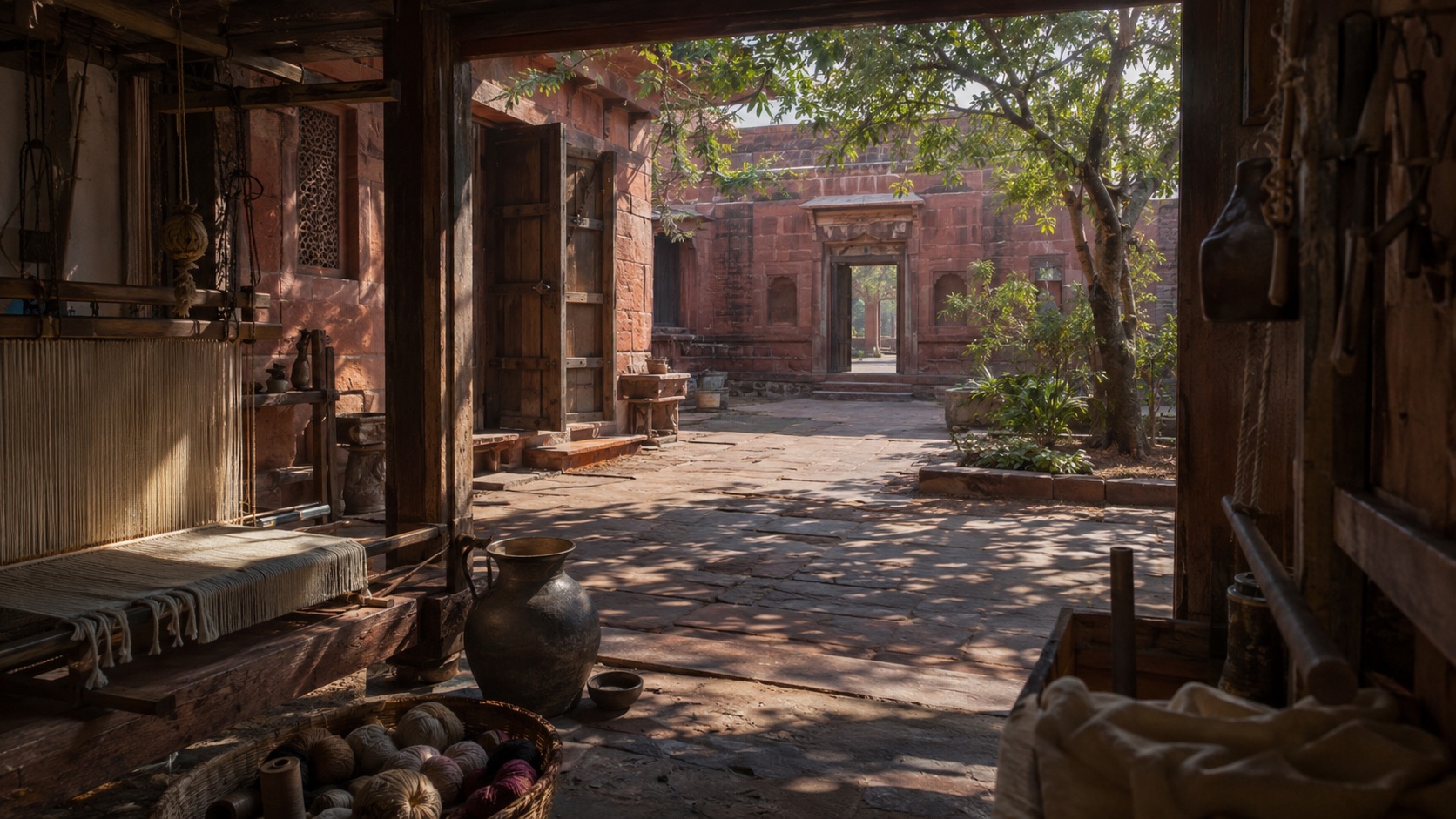
An imagined sixteenth-century northern Indian weaving workshop opening onto a red-stone courtyard.14

North Indian devotional poetry

Kabir

At a glance

Kabir is traditionally remembered as a fifteenth-century poet and weaver of northern India. Poetry transmitted under his name questions religious pride and inherited social divisions while seeking direct devotion to the divine. His legacy lives in several communities and bodies of song, with differing accounts of his life.

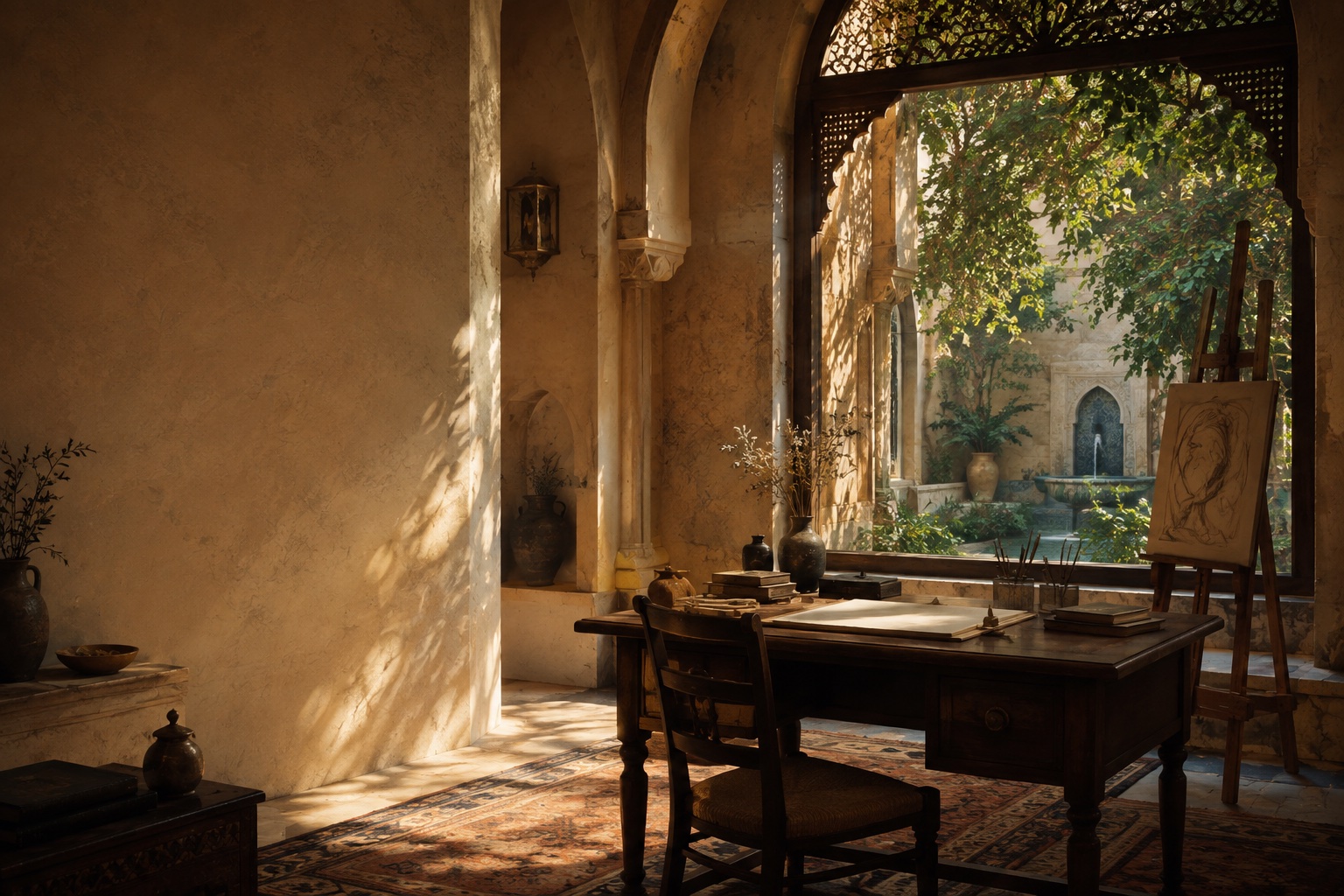
An imagined poet and artist’s room overlooking an Alrewaq courtyard; not Gibran’s actual home.15

Lebanese-American writer and visual artist; Arabic Mahjar literature

Kahlil Gibran

At a glance

Gibran was a writer and visual artist who worked across Arabic and English and lived much of his life in the United States. His accessible literary style helped reshape modern Arabic writing. The Prophet, his best-known English book, approaches human life through lyrical prose.

طريق يغادر غابة ميتة ويلتف حول شجرة ساقطة باتجاه غابة خضراء16

Japanese art scholar, writer, and museum curator

Kakuzō Okakura

At a glance

Okakura was a Japanese scholar, writer, and museum curator, also known as Okakura Tenshin. He worked with the Museum of Fine Arts in Boston from 1904 until his death in 1913. His English-language Book of Tea introduces aesthetic ideas through tea and its cultural setting.

An imagined fourteenth-century Japanese temple veranda overlooking a quiet moss garden.17

Japanese literature · Buddhist reflection

Kenkō

At a glance

Kenkō, also known as Yoshida Kenkō, was a medieval Japanese writer and Buddhist priest. His Essays in Idleness moves between anecdotes, tastes and reflections on change, giving ordinary observations a lasting philosophical life.

An imagined waterside pavilion inspired by Daoist imagery; not a historical reconstruction.18

Daoist thought

Laozi

At a glance

Laozi is the traditional author associated with the Daoist classic Daodejing, whose formation and authorship are debated.

A shaded plaster wall and stone seat beside the same open garden window.19

Roman emperor and Stoic philosopher

Marcus Aurelius

At a glance

Marcus Aurelius ruled as Roman emperor from 161 to 180 CE. Alongside the demands of public office, he wrote the private exercises now known as Meditations. These notes return to judgment, duty, mortality, and the effort to act well with other people.

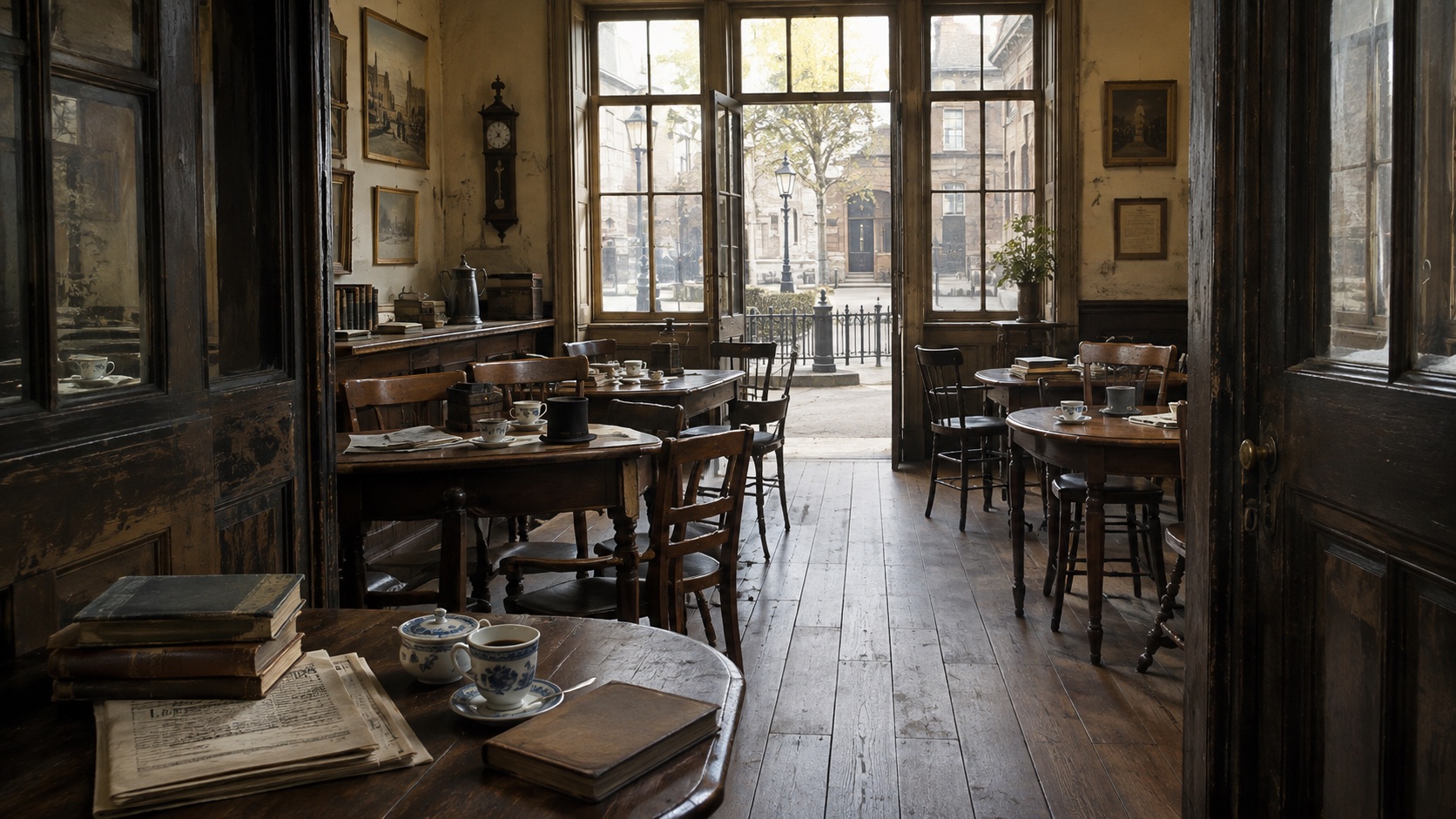
An imagined European coffeehouse with books and porcelain cups, inspired by the long eighteenth century.20

Political philosophy · women’s education and rights

Mary Wollstonecraft

At a glance

Mary Wollstonecraft (1759–1797) was a writer who made education central to her argument for women’s dignity and independence. A Vindication of the Rights of Woman challenged conventions that treated pleasing others as the main purpose of a woman’s life.

An imagined Alrewaq setting accompanying this voice’s writing.21

Humanism · reflective scepticism

Michel de Montaigne

At a glance

Montaigne (1533–1592) was a French Renaissance humanist whose Essays explore judgment and experience.

An imagined Alrewaq setting accompanying this voice’s writing.22

Greek philosophy · dialogue and inquiry

Plato

At a glance

Plato was an ancient Athenian philosopher whose dialogues investigate knowledge, ethics, politics, and reality.

An imagined Alrewaq setting accompanying this voice’s writing.23

Hebrew wisdom · Ecclesiastes

Qoheleth (Ecclesiastes)

At a glance

Qoheleth is the teaching voice of Ecclesiastes, a book of biblical wisdom whose author is not securely identified.

A stone promenade follows a quiet inlet around a bend softened by sea mist.24

German-language poet and prose writer

Rainer Maria Rilke

At a glance

Rilke was a German-language poet and writer whose work explored the relationship between beauty, suffering, life, and death. His poetry makes demanding inner experiences tangible through images. Letters to a Young Poet offers a more intimate encounter with his thinking through advice to a young correspondent.

A solitary diver descending from the luminous ocean surface toward a vast hidden world below25

American essayist, poet, and philosopher; transcendentalism

Ralph Waldo Emerson

At a glance

Emerson was an American essayist, poet, and a central figure in New England transcendentalism. He belonged to a circle of writers and reformers that included Margaret Fuller and Henry David Thoreau. His essays connect individual judgment with nature, intellectual independence, and spiritual inquiry.

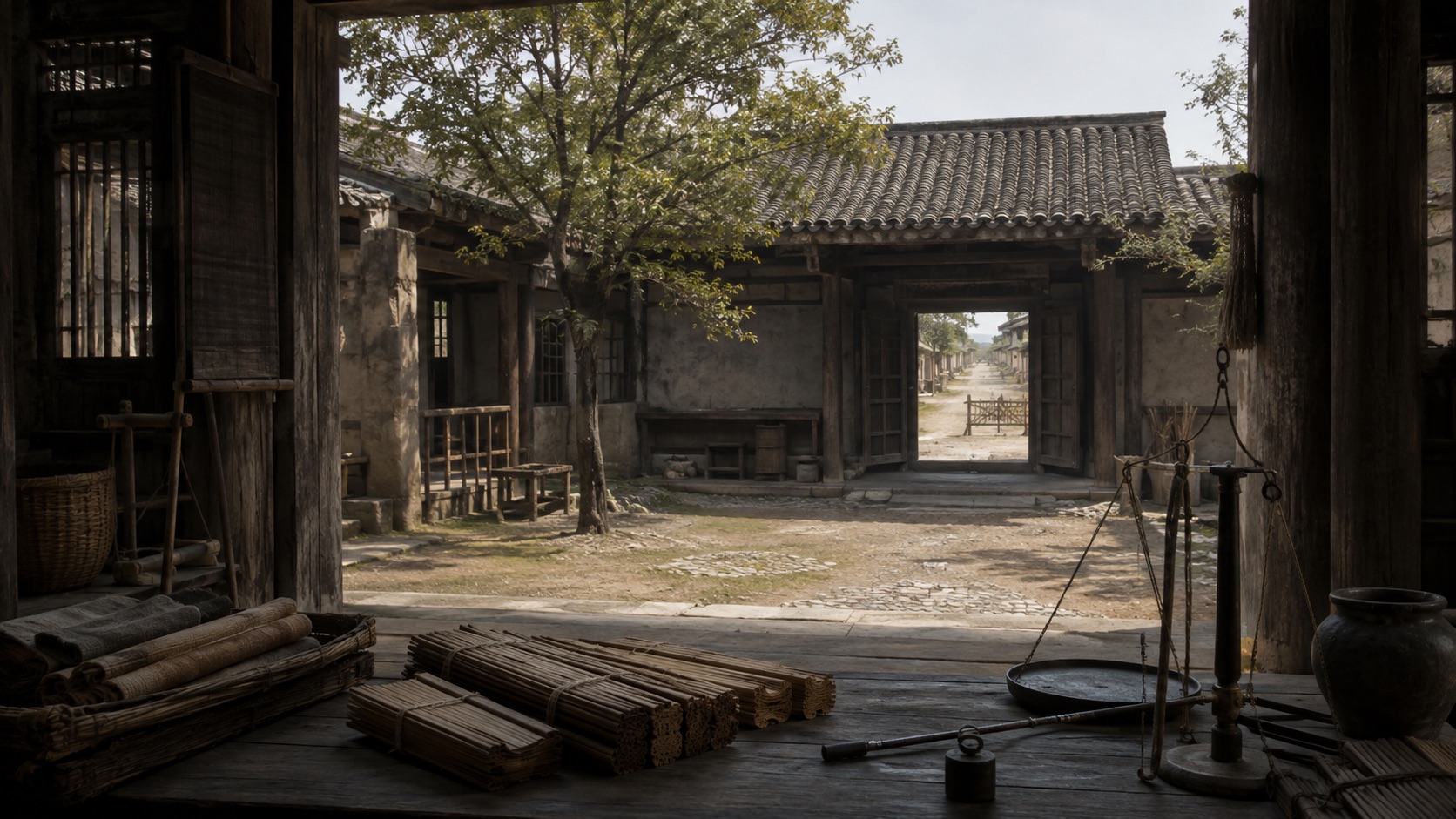
An imagined Han administrative courtyard with timber columns, gray tiles, bamboo records and a weighing balance.26

Chinese historiography

Sima Qian

At a glance

Sima Qian was a Han court historian who continued a project begun by his father, Sima Tan. His Shiji brought together accounts of rulers, institutions and human lives. His Letter to Ren An describes the personal cost and lasting importance of completing it.

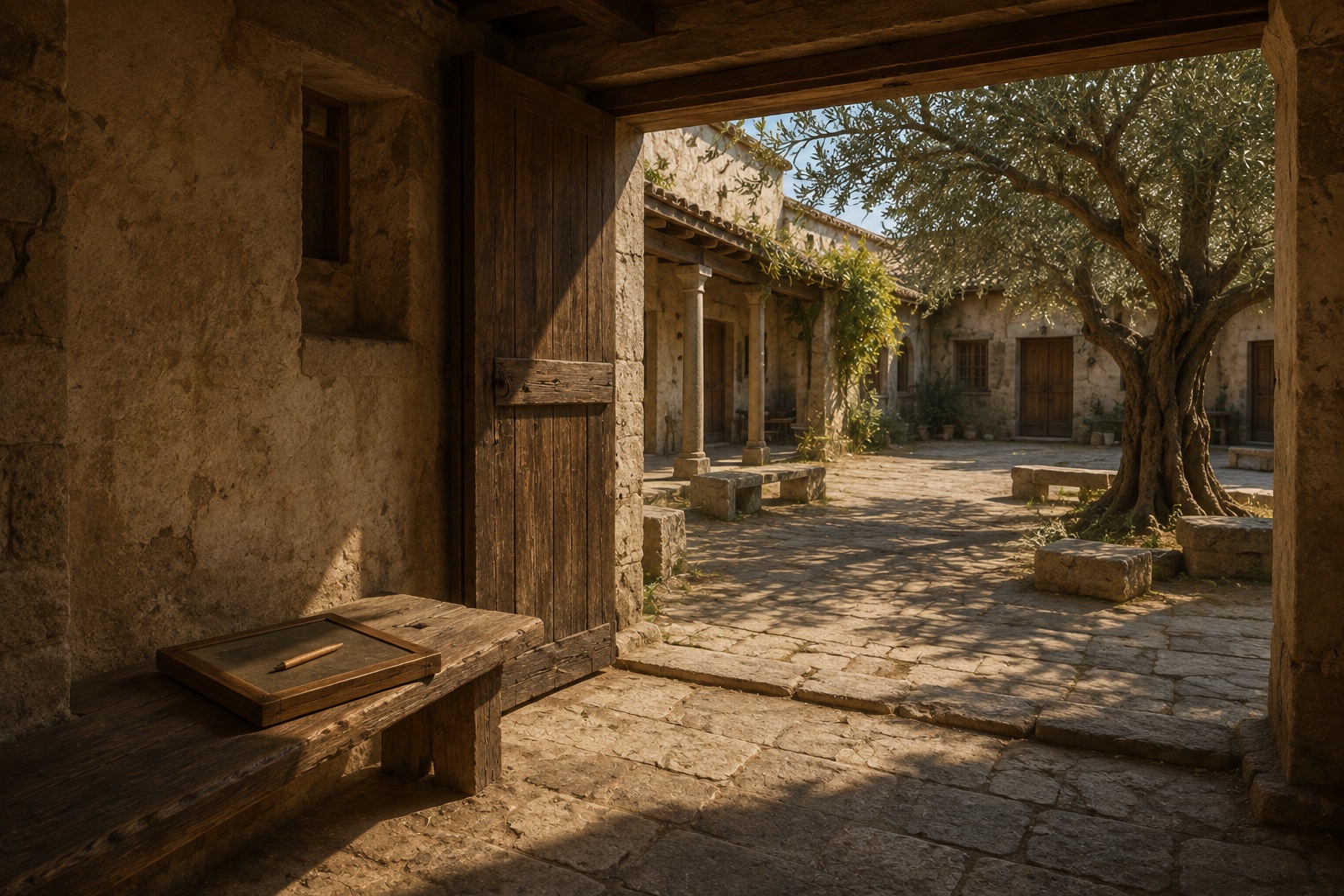
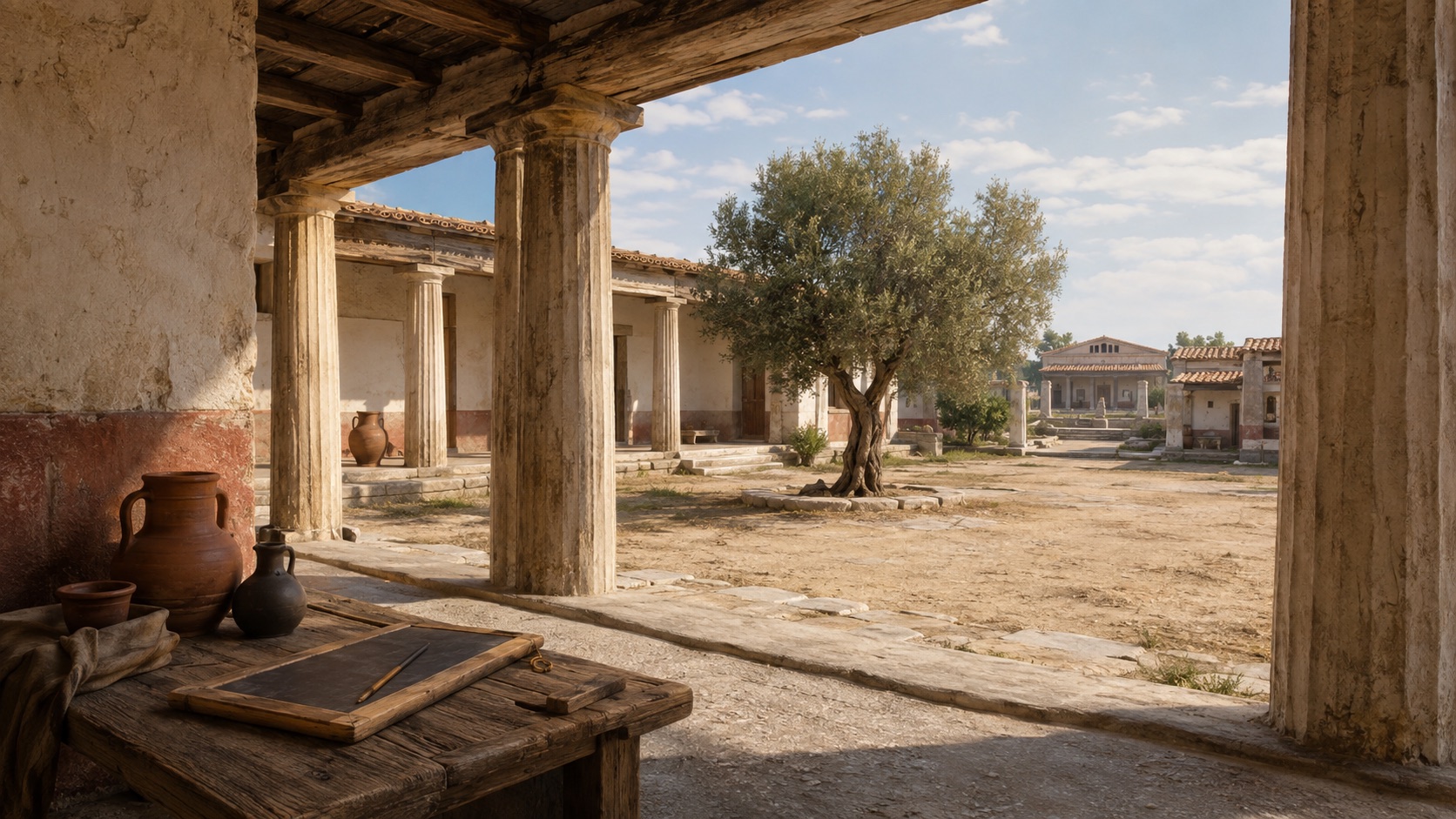
An imagined Classical Athenian courtyard, with a shaded writing bench, olive tree and distant civic buildings.27

Greek philosophy · ethical questioning

Socrates

At a glance

Socrates (469–399 BCE) was an Athenian philosopher known through accounts by other writers, especially Plato and Xenophon. Their portrayals differ; his own voice cannot simply be separated from theirs.

An imagined Alrewaq setting accompanying this voice’s writing.29

Early Buddhist teaching

The Buddha

At a glance

Gautama Buddha is the teacher at the origin of Buddhism; the Dhammapada preserves teachings in verse.

An imagined setting inspired by Walt Whitman’s life and writing.30

American poetry

Walt Whitman

At a glance

Born on Long Island in 1819, Whitman first published Leaves of Grass in 1855 and kept revising it throughout his life. His expansive poetic voice challenged inherited forms and made room for bodily life, contradiction, and a many-sided self.

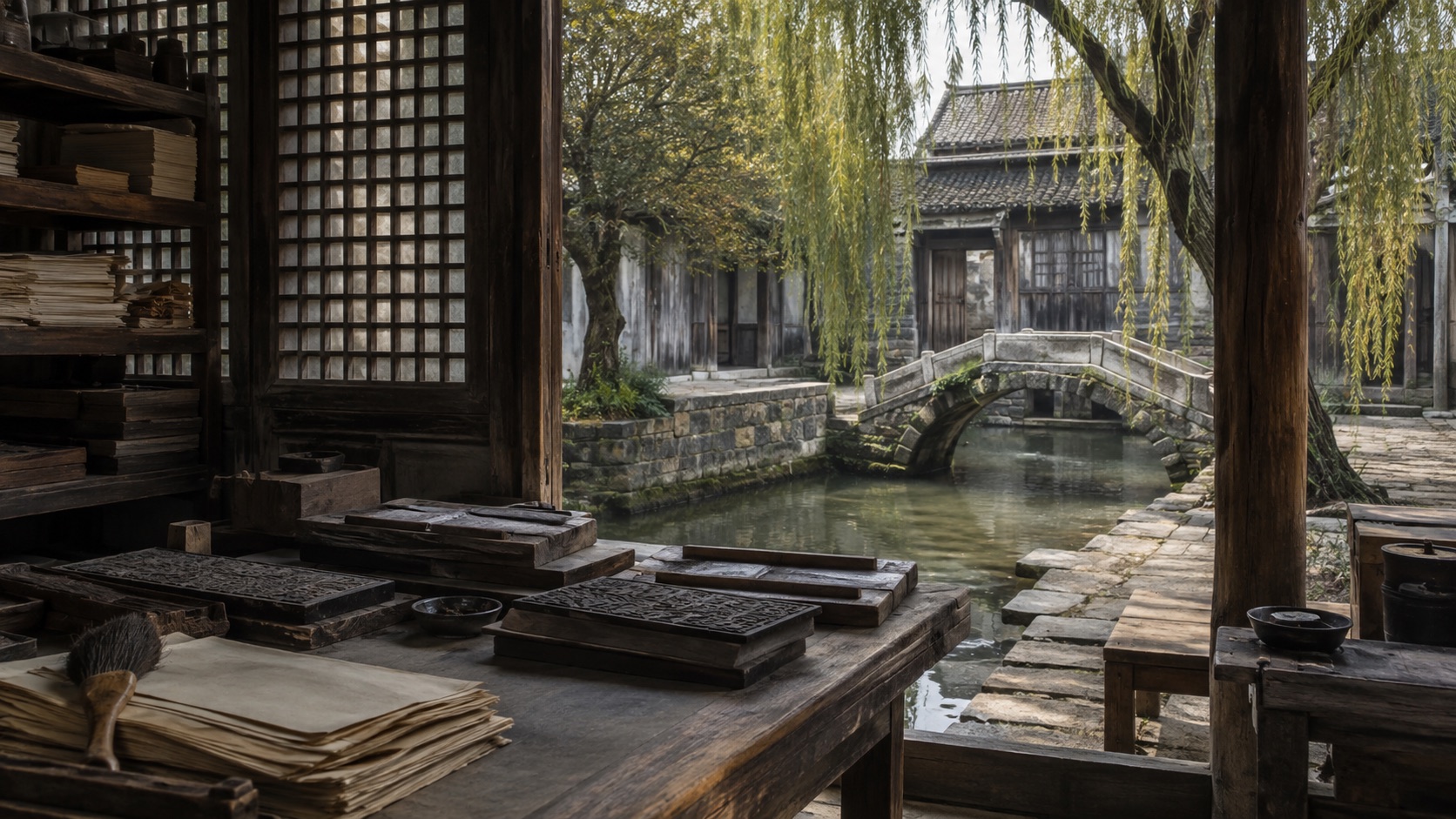
An imagined Song-era riverside printing study with woodblocks, paper, lattice windows and a willow-lined canal.31

Chinese philosophy · Confucian ethical cultivation

Wang Yangming

At a glance

Wang Yangming (1472–1529) was a Ming thinker and official. He argued for the unity of knowing and acting and for cultivating moral awareness within ordinary experience. His work challenged influential interpretations of Zhu Xi and shaped later debates in East Asian philosophy.

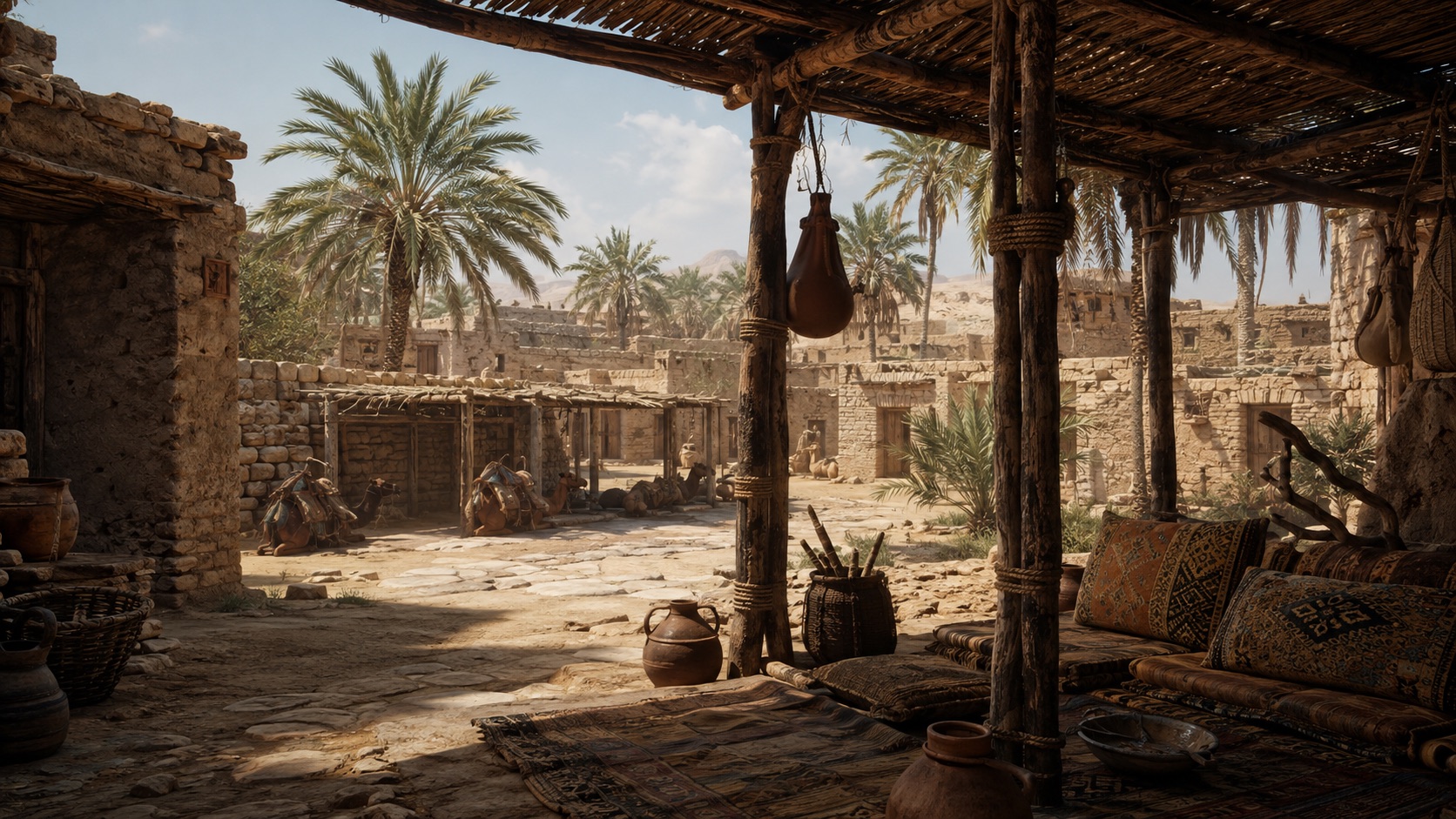
An imagined late-antique Arabian oasis courtyard, with mud-brick walls, palms and resting camels.32

Pre-Islamic Arabic poetry

Zuhayr ibn Abi Sulma

At a glance

Zuhayr ibn Abi Sulma was an Arabic poet associated with the late sixth and early seventh centuries. His poetry remembers tribal conflict and praises those who help bring it to an end. His Mu‘allaqa combines the concerns of his own society with reflections on generosity, responsibility and the limits of life.