Poems
The first posthumous collection appeared in 1890; its editors altered features of her manuscripts.
American lyric poet
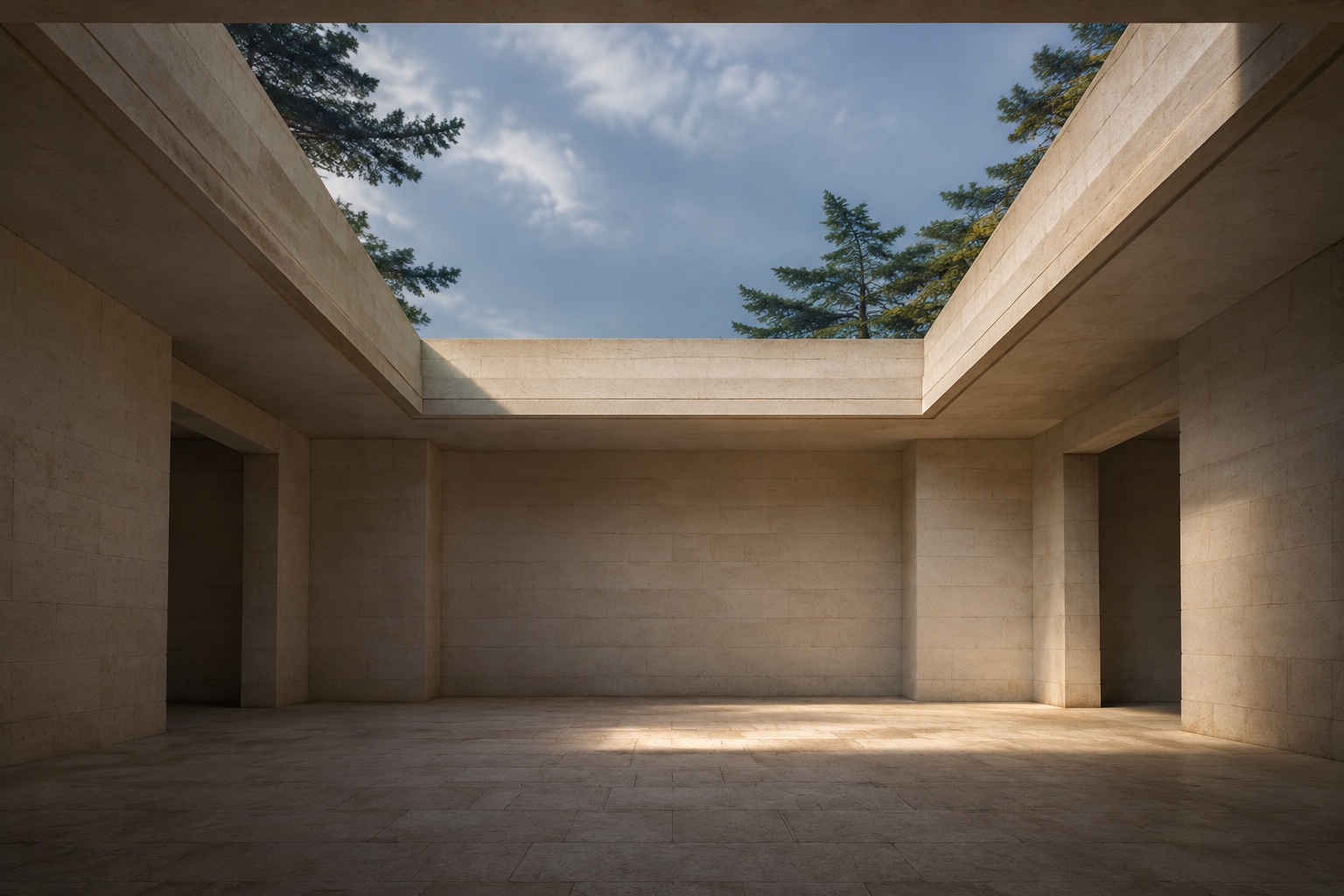
Explore this tradition and related voices →Dickinson imagines poetry as a house with abundant openings, contrasted with prose. Our reflection extends that image to personal possibilities; this is not the poem’s literal subject.
Emily Dickinson was born in Amherst, Massachusetts, in 1830. She developed a distinctive poetic language through compressed phrases, unexpected images, and unconventional punctuation. Much of her work reached readers after her death; early editors altered features later editions sought to recover.
Dickinson’s compressed poems probe faith, doubt, death, nature, and the mind’s private experiences. Their shifting voices and unsettled meanings invite interpretation rather than forming a single philosophical doctrine.
The first posthumous collection appeared in 1890; its editors altered features of her manuscripts.
R. W. Franklin’s 1981 edition reconstructs her handwritten booklets; an editorial presentation of her poems, not a book she published.
Studies for one year at Mount Holyoke Female Seminary in South Hadley.
Circulates poems in correspondence and gathers many into handwritten booklets.
The first collection of her poetry is published after her death.
From this voice
“I dwell in Possibility - A fairer House than Prose -”
I dwell in Possibility · Franklin 466 · Opening two lines
PossibilityDickinson imagines poetry as a house with abundant openings, contrasted with prose. Our reflection extends that image to personal possibilities; this is not the poem’s literal subject.
Imagining a possibility does not establish that it is available, affordable, or certain to work.
Read the original source →